
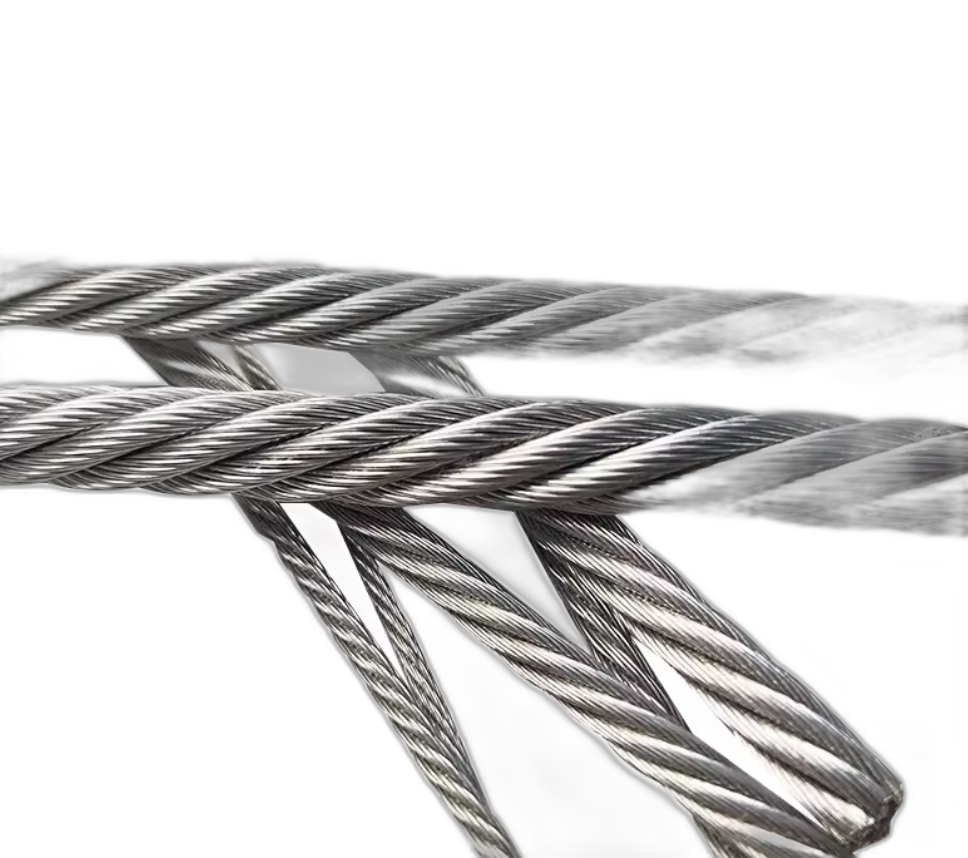
Wire rope is the backbone of crane operations, rigging, mining, and marine applications. The wrong rope can cost a job — or a life. We compared 4 major manufacturers in the 1/2″ 6×19 IWRC (Independent Wire Rope Core) class, the most common general-purpose construction.
Head-to-Head: 1/2″ 6×19 IWRC Wire Rope
| Feature | Bridon-Bekaert | WireCo WorldGroup | Loos & Co | Union (WireCo) |
|---|---|---|---|---|
| Rating | ⭐ 4.9/5 | ⭐ 4.7/5 | ⭐ 4.6/5 | ⭐ 4.5/5 |
| Break Strength | 11.5 tons (IPS) | 11.5 tons (IPS) | 11.5 tons (IPS) | 11.5 tons (IPS) |
| Construction | 6×19 Class, IWRC | 6×19 Class, IWRC | 6×19 Class, IWRC | 6×19 Class, IWRC |
| Grade | IPS (Improved Plow Steel) | IPS / EIPS | IPS | IPS |
| Core | IWRC | IWRC | IWRC / fiber | IWRC |
| Finish | Bright / Galvanized | Bright / Galvanized | Bright / Galvanized / Stainless | Bright / Galvanized |
| Specialty | Crane, mining, offshore | Crane, elevator, oil & gas | Aerospace, military, precision | General purpose |
| Price (per ft) | $3.50–$5.00 | $2.80–$4.00 | $3.00–$4.50 | $2.00–$3.00 |
| Origin | ?? UK / ?? Belgium | ?? USA (Kansas City) | ?? USA (Pomfret, CT) | ?? USA |
Brand Reviews
Bridon-Bekaert — The World Standard
⭐ 4.9/5 | Bridon-Bekaert (merger of UK’s Bridon and Belgium’s Bekaert) is the world’s largest and most respected wire rope manufacturer. Their ropes are specified for the most demanding applications — North Sea offshore platforms, mining draglines, and tower cranes. The wire drawing quality and rope lay consistency are simply unmatched.
Pros: • World’s #1 wire rope manufacturer • Highest consistency and quality • Best fatigue life • Comprehensive test certificates • Global service network
Cons: • Most expensive • Longer lead times for specialty constructions
What crane operators say: “We run Bridon on our tower cranes. The rope outlasts everything else we’ve tried by 30-40%. When you factor in downtime for re-reeving, it’s actually cheaper.”
WireCo WorldGroup — American Leader
⭐ 4.7/5 | WireCo (Kansas City) is the largest wire rope manufacturer in the Americas. Their brand portfolio includes CASAR (premium crane rope), Macwhyte, and Union. The go-to choice for US crane and elevator markets. Excellent EIPS (Extra Improved Plow Steel) offerings for high-strength applications.
Pros: • Largest US manufacturer • CASAR crane rope (premium sub-brand) • EIPS options • Extensive distribution • Quick availability
Cons: • Quality can vary between product lines • Union line is budget-grade
Loos & Co — Precision Specialist
⭐ 4.6/5 | Loos & Co (Pomfret, Connecticut) is the go-to for precision wire rope and cable. They serve aerospace, military, medical, and architectural markets where tolerances are tighter than standard construction rope. If you need stainless steel rope or custom constructions, Loos is the first call.
Pros: • Best for precision/custom applications • Stainless steel options • Aerospace/military certified • Small-quantity availability
Cons: • Higher pricing • Not focused on bulk construction rope
Union — Budget Workhorse
⭐ 4.5/5 | Union (a WireCo brand) is the value line for general-purpose applications. Good enough for non-critical rigging, guy wires, and utility use. Not recommended for crane main hoists or personnel-rated applications.
Pros: • Most affordable • Widely available • Good for general use
Cons: • Lower consistency than premium brands • Not recommended for critical lifts • Budget-grade within WireCo portfolio
Wire Rope Selection Guide
6×19 Class: Best balance of strength and flexibility. Standard for most crane and rigging applications.
6×37 Class: More flexible, better fatigue life over sheaves. Choose for applications with frequent bending.
IPS vs EIPS: EIPS offers ~10% more strength than IPS at the same diameter. Worth specifying for high-utilization equipment.
IWRC vs Fiber Core: IWRC (Independent Wire Rope Core) provides ~7.5% more strength and better crush resistance. Standard for overhead lifting. Fiber core is softer and more flexible — used for running rigging.
Inspection: Wire rope must be inspected per ASME B30.2 (cranes) or OSHA 1926.251 (rigging). Remove from service when broken wires, corrosion, or diameter reduction exceed limits.
Recommendation
Crane operations: Bridon-Bekaert or WireCo CASAR — the fatigue life justifies the premium. General rigging: WireCo — best availability in the US. Precision/stainless: Loos & Co — unmatched for specialty applications. Budget/utility: Union — fine for non-critical use.
Ratings from crane operator surveys, mining industry data, and rigging supply catalogs. CargoRigging.com is an independent directory.
Looking for trusted suppliers?
Frequently Asked Questions
What wire rope construction is best for general purpose use?
6×19 classification (which includes 6×19 Seale, 6×21 Filler Wire, and 6×25 Filler Wire) is the most popular general-purpose construction. It offers a good balance of flexibility, abrasion resistance, and fatigue life. For crane applications requiring more flexibility, choose 6×36 class. For static applications like guy wires and handrails, 1×19 or 1×7 strand provides maximum strength with minimal stretch. Match the construction to your sheave size — more wires per strand require a smaller minimum sheave diameter.
What rope core type should I choose — fiber core or IWRC?
Fiber Core (FC) ropes are more flexible and have better shock absorption — ideal for cranes, winches, and applications with frequent bending. Independent Wire Rope Core (IWRC) ropes are 7-10% stronger, more crush-resistant, and handle higher temperatures (up to 400F vs 180F for fiber core). For overhead cranes, elevators, and any application where the rope may be crushed on the drum, IWRC is the professional choice. FC ropes are lighter and less expensive, suitable for marine and general pulling applications.
How do I measure wire rope diameter correctly?
Always measure across the widest point (the ‘crown’ of two opposite strands) using a wire rope caliper or Vernier caliper. Never use a tape measure. Take measurements at three points along the rope and average them. The rope is at its nominal diameter when new. A reduction of 5% or more from the nominal diameter indicates internal wear or core degradation and requires a detailed inspection. An increase in diameter (called ‘birdcaging’) indicates internal damage from shock loading.
Products Featured in This Review

As an Amazon Associate, CargoRigging.com earns from qualifying purchases.