
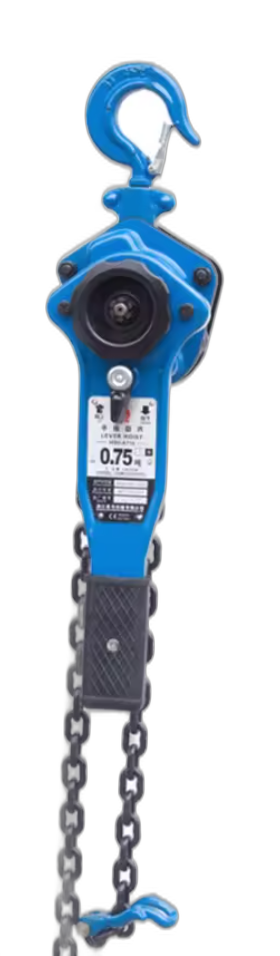
Manual chain hoists (hand chain hoists) are the simplest, most reliable way to lift heavy loads. No power, no batteries — just pull the chain. We compared 4 top brands in the 2-ton class, the most versatile capacity for maintenance, rigging, and construction.
Head-to-Head: 2-Ton Manual Chain Hoists
| Feature | Kito CB Series | Harrington CF | JET SMH | Ingersoll Rand Silver |
|---|---|---|---|---|
| Rating | ⭐ 4.8/5 | ⭐ 4.6/5 | ⭐ 4.5/5 | ⭐ 4.4/5 |
| Capacity | 0.5–10 ton | 0.5–10 ton | 0.5–5 ton | 0.5–5 ton |
| Lift Height | 10–30 ft | 10–20 ft | 10–20 ft | 10–15 ft |
| Chain Pulls (2T) | 64 lbs | 68 lbs | 72 lbs | 70 lbs |
| Weight (2T, 10ft) | 35 lbs | 38 lbs | 42 lbs | 40 lbs |
| Load Chain | Grade 80, nickel-plated | Grade 80 alloy | Grade 80 alloy | Grade 80 alloy |
| Hand Chain | Zinc-plated steel | Zinc-plated steel | Zinc-plated steel | Zinc-plated steel |
| Price (2T) | $350–$450 | $250–$350 | $200–$280 | $280–$380 |
| Origin | ?? Japan | ?? USA | ?? USA (JPW) | ?? USA |
| Warranty | Lifetime limited | Lifetime limited | 2-year | 1-year |
Brand Reviews
Kito CB — Lightest, Smoothest, Best
⭐ 4.8/5 | Kito’s CB series hand chain hoist is the lightest and smoothest-pulling hoist in this comparison. The nickel-plated load chain resists corrosion and reduces friction, which translates to less effort per pull. At 35 lbs for a 2-ton unit (vs 42 lbs for JET), the weight difference matters when you’re rigging at height.
Pros: • Lightest in class • Lowest hand-chain pull force (64 lbs) • Nickel-plated chain • Lifetime warranty • Smoothest operation
Cons: • Most expensive • Parts ordering requires Kito dealer
What riggers say: “When you’re 200 feet up a cell tower pulling chain all day, every pound counts. Kito is the only brand my guys request by name.” — Tower crew foreman
Harrington CF — Best Value Professional
⭐ 4.6/5 | Harrington’s CF series offers 80% of Kito’s performance at 70% of the price. The hoist is well-built, the gearing is smooth, and the lifetime warranty matches Kito. A strong choice for shops and contractors who want quality without the Kito premium.
Pros: • Best price-to-quality ratio • Lifetime warranty • Wide availability • Proven design
Cons: • Heavier than Kito • Standard chain (no nickel plating)
JET SMH — Budget Professional
⭐ 4.5/5 | JET (JPW Industries) delivers adequate performance at the lowest professional-grade price. Good for shops that need multiple hoists and can’t justify Kito/Harrington pricing across the board.
Pros: • Most affordable professional hoist • Available at hardware stores • Overload protection
Cons: • Heaviest in comparison • Highest pull force required • 2-year warranty only
Ingersoll Rand Silver — Industrial Heritage
⭐ 4.4/5 | IR is better known for air tools and compressors, but their hoist line (acquired from various brands over the decades) is serviceable. The Silver series is their economy line — adequate for occasional industrial use.
Pros: • IR brand recognition • Good industrial distribution • Available through IR dealers
Cons: • Only 1-year warranty • Not IR’s core product — less R&D investment • Fewer capacity options
Recommendation
Professional rigging: Kito CB — lightest, smoothest, worth the premium. Shop/contractor: Harrington CF — best value with lifetime warranty. Multiple hoists on a budget: JET SMH — gets the job done affordably.
Ratings from industrial distributor data and rigger forums. CargoRigging.com is an independent directory.
Looking for trusted suppliers?
Frequently Asked Questions
What is the difference between a chain block and a chain hoist?
They are the same thing — different names for the same equipment. ‘Chain block’ is more common in British English and Australian usage, while ‘chain hoist’ or ‘manual chain hoist’ is the American term. Both refer to a hand-operated lifting device that uses a hand chain loop to drive a gear mechanism connected to a load chain. The terms are interchangeable in catalogs and specifications. If someone asks for a ‘chain fall,’ that is also the same device.
What overhead clearance do I need for a manual chain hoist?
Calculate the minimum headroom as: hoist body length + hook-to-hook distance at minimum + load height + rigging hardware height + 12 inches safety clearance. For a typical 2-ton chain hoist with 10-foot lift, you need approximately 24 inches of hoist body + the load height. Low-headroom chain hoists are available with as little as 10 inches of headroom using a shorter body and integrated trolley — essential for workshops with low ceilings.
How do I test a new chain hoist before putting it in service?
Perform a function test at no load first: run the chain through its full travel range checking for smooth operation, proper brake holding, and no chain jamming. Then perform a rated-load test: lift the rated capacity 6 inches off the ground, hold for 5 minutes, and verify the brake holds without slippage. Check for any unusual noise, vibration, or chain twist. Document the test with date, tester name, load used, and results. New hoists do not require a proof load test — the manufacturer has already performed this.
Products Featured in This Review


As an Amazon Associate, CargoRigging.com earns from qualifying purchases.