
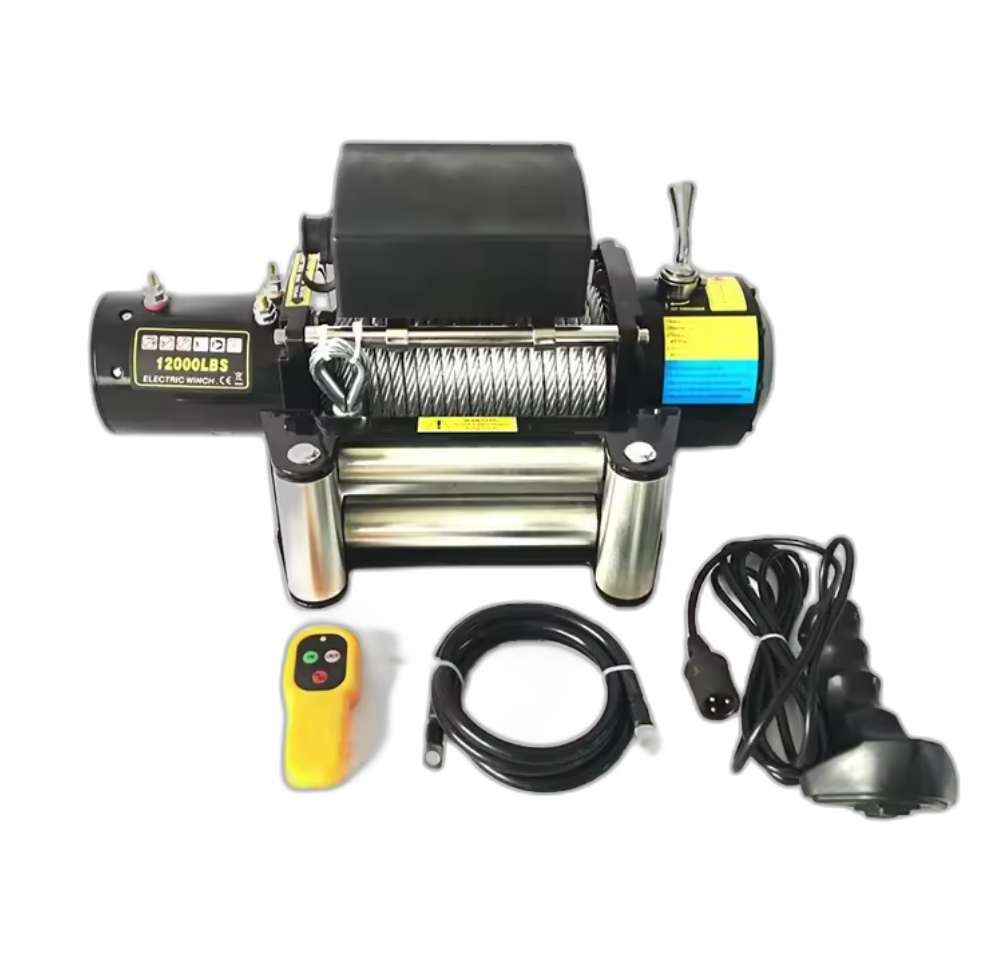
A recovery winch can mean the difference between getting home and spending the night on the trail. We compared 4 popular brands in the 9,500–12,000 lb class — the sweet spot for full-size trucks and Jeeps.
Head-to-Head: 9,500-12,000 lb Electric Winches
| Feature | WARN Zeon 10-S | Smittybilt X2O 10K | Superwinch SX10 | Comeup Seal Gen2 9.5 |
|---|---|---|---|---|
| Rating | ⭐ 4.8/5 | ⭐ 4.2/5 | ⭐ 4.5/5 | ⭐ 4.6/5 |
| Capacity | 10,000 lbs | 10,000 lbs | 10,000 lbs | 9,500 lbs |
| Rope | Synthetic (Spydura) | Synthetic | Synthetic | Synthetic |
| Motor | Series wound, 4.6 HP | Series wound, 6.6 HP | Series wound, 5.5 HP | Series wound, 4.5 HP |
| Gear Train | 3-stage planetary | 3-stage planetary | 3-stage planetary | 3-stage planetary |
| Waterproof | IP68 | IP67 | IP67 | IP68 |
| Weight | 73 lbs | 86 lbs | 78 lbs | 72 lbs |
| Wireless Remote | • Yes | • Yes | • Yes | • Yes |
| Price | $1,100–$1,400 | $450–$600 | $650–$850 | $750–$950 |
| Origin | ?? USA | ?? USA (China mfg) | ?? USA | ?? Taiwan |
| Warranty | Lifetime mechanical | Lifetime limited | 5-year | 5-year |
Brand Reviews
WARN Zeon 10-S — The One You Trust with Your Life
⭐ 4.8/5 | WARN is to winches what Crosby is to shackles — the undisputed leader. The Zeon series is their premium line with IP68 waterproofing, convertible control pack, and the most reliable motor in the industry. Yes, it’s expensive. Yes, it’s worth it.
What users say: “Pulled myself out of mud, snow, and a creek crossing. Never once hesitated. Buy once, cry once.”
Smittybilt X2O — Budget King
⭐ 4.2/5 | At less than half the price of WARN, Smittybilt dominates the budget segment. It works. But the lower rating reflects reliability concerns — solenoid failures and motor overheating are commonly reported after heavy use.
What users say: “Great for the price if you don’t winch every weekend. Had mine 3 years with no issues.” vs “Solenoid died after 6 months. You get what you pay for.”
Superwinch SX10 — Middle Ground
⭐ 4.5/5 | Solid mid-range option with good build quality. Better reliability than Smittybilt, more affordable than WARN. A smart choice for weekend warriors.
Comeup Seal Gen2 — The Dark Horse
⭐ 4.6/5 | Taiwanese manufacturer that punches well above its weight. The Seal Gen2 is IP68 rated (matching WARN), lightest in the comparison, and significantly cheaper. Popular in Australia and Asia, gaining ground in North America.
What users say: “Aussie mates swear by Comeup. Finally tried one — it’s as good as they said.”
Recommendation
Buy the best you can afford. A winch failure in the backcountry isn’t just inconvenient — it can be dangerous. WARN Zeon if budget allows, Comeup Seal Gen2 for the best value-to-quality ratio, Superwinch SX10 as a solid middle ground.
Ratings aggregated from Amazon, off-road forums (JeepForum, ExPo), and distributor feedback. CargoRigging.com is an independent directory.
Looking for trusted suppliers?
Frequently Asked Questions
What size recovery winch do I need for my vehicle?
The general rule is to select a winch rated at 1.5 times your vehicle’s Gross Vehicle Weight Rating (GVWR). A 5,000 lb Jeep needs a minimum 7,500 lb winch; a 7,000 lb full-size truck needs at least 10,500 lbs. If you frequently recover in deep mud, sand, or steep inclines, go up one size. The weight calculation should include the vehicle plus maximum cargo, passengers, and accessories like roof racks and bumpers.
Is synthetic rope or wire cable better for a recovery winch?
Synthetic rope is lighter (80% less weight), safer if it breaks (no dangerous recoil), easier on hands, and floats. Wire cable is more abrasion-resistant, handles heat better, and costs less. For dedicated off-road recovery, synthetic is now the industry standard choice. For utility winching with potential abrasion (dragging over rocks, concrete edges), wire cable lasts longer. Most premium winches now ship with synthetic rope standard.
Do I need a wired or wireless remote for my winch?
A wired remote keeps you tethered within 12-15 feet of the winch but is 100% reliable with zero lag. Wireless remotes let you operate from 50+ feet away — critical for safe recovery when the vehicle might shift unpredictably. The best setup is both: use the wired remote for routine pulls and the wireless for risky recovery situations. Always carry the wired remote as backup since wireless remotes depend on batteries.

As an Amazon Associate, CargoRigging.com earns from qualifying purchases.